Learn badminton.
Guides, articles and curated video tutorials — everything to choose gear and play better.
Guides & reference
Long-form explainers on equipment, technique, and how to read a spec sheet.
What every brand's trademarked materials and frame systems actually do, and which of the four levers each one pushes.
A research-backed guide to picking a badminton racquet, covering weight, flex, balance, grip, and string tension, with the peer-reviewed data on what actually changes performance.
Articles
Editorial deep dives: what the marketing names mean and what actually changes on court.
Videos

Step-by-step on the deep overhead clear: body rotation, racquet path, contact point.

Soft, controlled drops from the rear court. Disguising it as a clear is the whole point, so keep the racquet head slow until the last moment.

Multiple coaches show overgrip technique: angle, tension, finishing tape. Worth doing yourself rather than paying a shop.

How to split-step, recover to base, and move to all six corners. The single biggest skill jump for beginners.

Greg & Jenny Bingham walk through holding the racquet for forehand and backhand strokes, the foundation every other shot depends on.
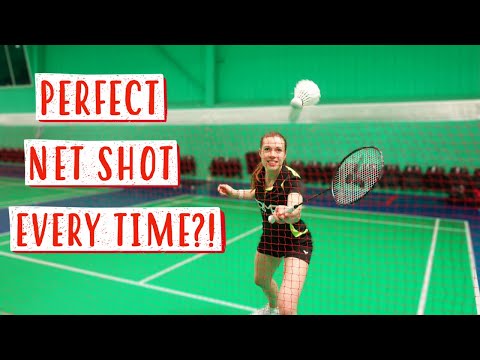
Net push, net kill, net lift, and the tight tumble. Each shot lives or dies on shuttle height at contact.

Where to recover after every shot in singles, and why centre-court isn't always 'base'. It shifts based on where you sent the shuttle.

Build smash power without injury. Start standing, then dial in contact and trunk rotation before adding jumps.

Beginner-level forehand smash breakdown: grip, stance, contact point, follow-through. Compact reference video for first-time learners.

A step-by-step build of the backhand overhead (grip, thumb placement and contact point), then how the same action produces the backhand drop, clear and smash.
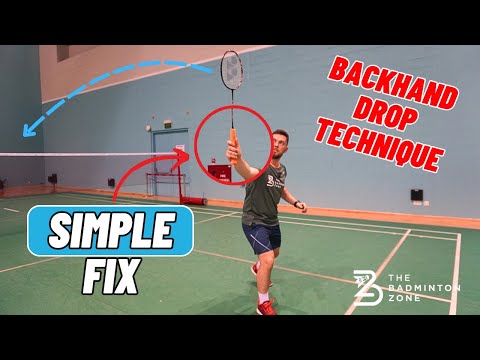
Dropping straight from the rear backhand corner, using the compact backhand grip and a soft, controlled tap that lands tight to the net.

High-deep defensive clears buy time. Flat attacking clears push the opponent backward fast. Same swing, different trajectory choice.

How and when to rotate between attacking (front-back) and defending (side-by-side) formations. Most-missed concept at club level.

When to use a slow drop vs a fast drop, and how to disguise both with the same prep so opponents can't read it.

Chasing your smash is what wastes energy. Scissor-kick recovery + chassé back to base is the difference between winning long rallies and gassing out.
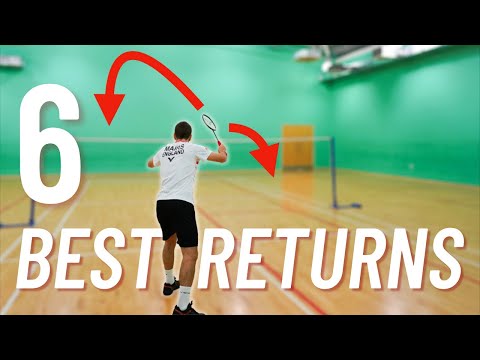
Constructing a point with high-deep clears + drops + occasional smashes. The 80/20 rule: most rallies are won by patience, not power.

Step-by-step on the deceptive drop shot, using wrist deception and body cues to disguise the shot.

The slice changes shuttle direction without changing your swing. The racquet face brushes across the cork. Reverse-slice fools opponents reading body cues.

Forehand slice drop played both straight and cross-court, brushing the racquet face across the shuttle so the same forehand prep can send it either way and keep opponents guessing.
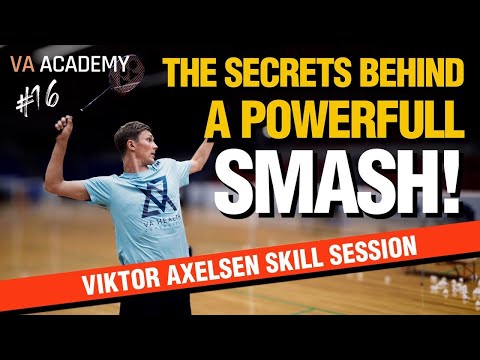
Whip-style smash mechanics: rotational power from the trunk instead of arm strength. Reduces shoulder strain.

Power generation for overhead shots, covering the smash and clear together since they share the same kinetic chain.

Slicing the backhand cross-court, brushing across the shuttle so it angles away from a straight-looking swing, with world-champion coaching cues.

Five steps to a real backhand smash, the shot Taufik Hidayat made famous, building grip, rotation and timing for power from the backhand corner.

Late wrist-flick changes, slice variations, and freezing the opponent at split-step. The 5% that separates intermediate from advanced.

Slow-motion analysis of how the legends sold every net contact as one shot and played another. Watch and steal the prep, not just the shot.
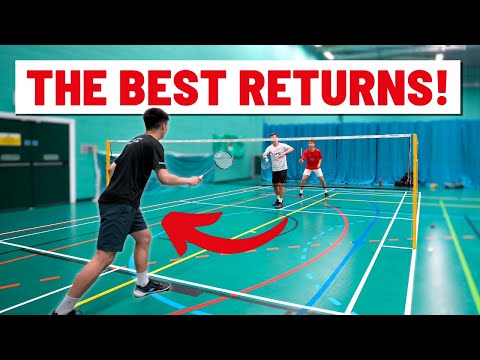
Watch how the world's top doubles pairs (Endo/Watanabe, Astrup/Rasmussen, Liu/Tan) win the first 3 shots of every rally. Most points are decided before the 4th hit.

Forehand-deep, backhand-net, forehand-mid sequences that probe and exploit. Patterns over single shots.

Eight foundational singles tactics: use the full court, attack short and defend deep, and vary the pace to control rallies. Placement and patience win more points than raw power.

Cross-court reverse slices from the rear court that fool defenders into stepping the wrong way. Hardest shot in the recreational toolkit.

Timing the jump, scissor kick recovery, and shuttle contact point above the shoulder line. Only attempt after the standing smash is dialed in.

The compact, late-release stick smash plus the steeper half-smash. Both buy time when you can't fully load up, and both are essential at the elite level.

Flex, balance, weight, and what each actually means for your play style. Companion to our racquet recommender.
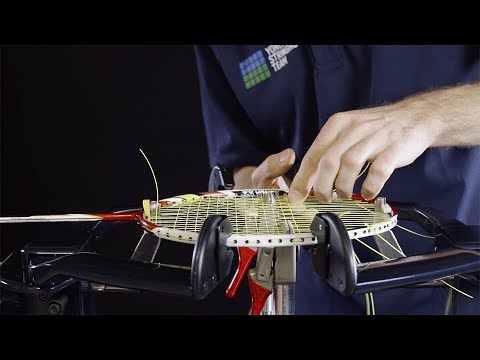
What tension actually does (and doesn't do) to power, control, and durability. Most amateurs string too tight.

Plyometrics, shadow footwork, and rotational core work. The fitter player wins long rallies, and that's most of badminton.

20 minutes of shadow footwork beats 60 minutes on court for most amateurs: same movement reps, no rally interruptions. Do it 3x a week.

The smash is the #1 cause of badminton shoulder injuries. Rotator cuff strengthening + warm-up routine that costs you 5 min and saves 6 months.

Court-side warm-up routine timed at 10 minutes: dynamic mobility, footwork prep, shoulder activation. Do this before every session.

Five general-purpose improvement principles covering consistency, footwork, game IQ and recovery. A useful framing video before drilling specific shots.
Breath-resets, between-point routines, how to recover from a bad line call. Mental fitness is the most underrated skill in club badminton.